Workflow Automation
Create operational systems that make work move reliably.
Organizations rarely struggle because work is complex. They struggle because work moves through disconnected systems, manual handoffs, and inconsistent processes.
Workflow Automation gives the business a more reliable way to execute without losing control of how work should happen.

Workflow logic
Handoffs, approvals, visibility, and exceptions need to move together.
Automation is not the objective. Operational clarity is.
Leaders usually notice the symptoms first: repetitive manual work, duplicated data entry, spreadsheet-dependent operations, approval bottlenecks, and teams that depend on individual memory to keep work moving.
These are not only software problems. They are operating problems. The organization has outgrown the way information, responsibility, and decisions move through the business.
A thoughtful Workflow Automation Company should not begin by connecting tools. It should first understand the work itself, then design the system conditions that make execution clearer, faster, and more reliable.
When workflow automation becomes necessary
Workflow automation is most valuable when manual coordination is no longer a small inconvenience, but a constraint on execution quality and scale.
Information movement has become hidden labor, which creates delay, inconsistency, and unnecessary dependence on individual discipline.
What the workflow needs
- Which updates move manually
- Where records become inconsistent
- Which systems should share status automatically
The workflow should move information through structured paths instead of repeated manual coordination.
What we automate
We design workflow automation around the way the business needs to operate.
Soluntech designs Business Process Automation and Operational Workflow Automation for organizations whose work depends on coordination across teams, data, approvals, and systems. The work can include workflow orchestration, approval workflows, cross-system integration, operational dashboards, and AI-assisted workflows where they genuinely improve the process.
The goal is not to automate activity for its own sake. The goal is to clarify how work should move, where judgment is required, which steps can be structured, and how leaders can see what is happening without asking teams to create another report.
Workflow Automation often becomes one capability inside Build the Right System. When the workflow already lives in a Knack application, our Knack Development work can help structure, extend, or integrate that system without replacing it unnecessarily. When the workflow requires a tailored operating platform, it may connect closely with Custom Software Development. When the constraint is an existing system, the better path may be Legacy System Modernization or a staged intelligence layer through AI System Development. When implementation requires sustained capacity, Dedicated Development Teams can support the delivery model.
Workflow Orchestration
Structured paths for how work moves between people, systems, approvals, and decisions.
The strongest automation makes the operating model easier to understand, manage, and improve.
Workflow systems we commonly support
- Approval and review workflows01
- Cross-system handoffs and integrations02
- Operational dashboards and visibility layers03
- Data entry reduction and process orchestration04
- AI-assisted workflow steps with human review05
How we automate
Our workflow automation services begin with operational reality. Automation follows process design, not the other way around.
Map how work actually moves
We study the people, decisions, tools, exceptions, data, and handoffs that shape the workflow today.
Design the operating logic
We clarify what should be standardized, what should remain human-led, and where automation can reduce risk.
Engineer for maintainable execution
We implement the workflow system with durable integrations, clear visibility, and room for future operating change.
What better workflow automation makes possible
The value is not only speed. The value is execution that becomes easier to see, repeat, improve, and scale.
Fewer manual tasks
Teams spend less time moving information and more time on work that requires judgment.
Faster execution
Work moves through clearer paths with fewer avoidable delays and bottlenecks.
More reliable operations
Processes become less dependent on individual memory, informal handoffs, and side channels.
Improved visibility
Leaders can see status, exceptions, and outcomes without adding reporting burden.
Scalable processes
The organization can absorb growth without multiplying manual coordination.
Better system alignment
Tools, teams, and data work around the same operating logic instead of separate versions of the truth.
Built in Practice
These examples show why workflow automation is not simply about removing tasks. It is about designing systems that make execution easier to trust.

Gave doctors back 2+ hours per day from documentation
A clinical team struggling with time-consuming documentation and workflow disruption. We implemented an AI-native solution that automated the heavy lifting of clinical notes.

Made a system 40% faster for therapists
A mental health platform slowed down by inefficient workflows and poor usability. We re-engineered the core architecture to prioritize speed and therapist focus.
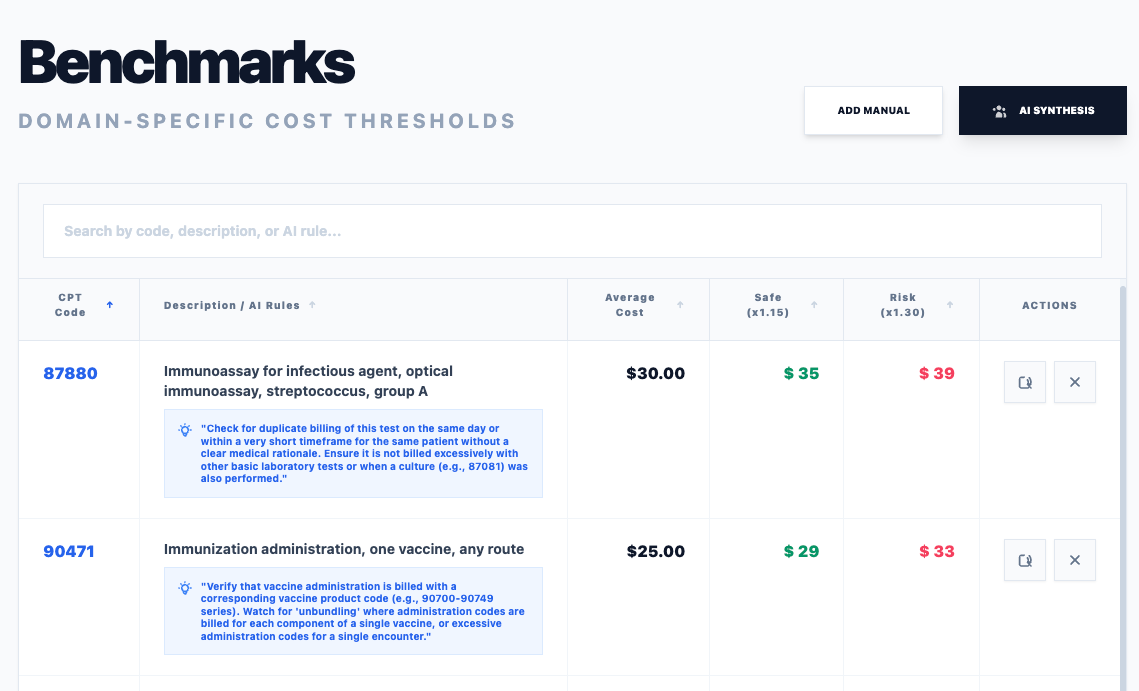
Made hidden revenue visible and actionable
Organizations unable to identify revenue opportunities hidden in documents. We built a data intelligence layer that surfaced actionable insights in real-time.
Frequently Asked Questions
When should we automate a workflow?
A workflow should be automated when the process is important, repeatable, and creating friction through manual coordination, duplicate entry, unclear approvals, or inconsistent execution. The first step is understanding the workflow well enough to know what should be automated and what should remain human-led.
How is workflow automation different from custom software?
Workflow automation focuses on how work moves through people, systems, approvals, and data. Custom software is one way to implement that operating logic when standard tools cannot support it well. In many initiatives, workflow automation defines the process architecture while custom software provides the tailored system.
Can existing systems be integrated?
Yes. Existing systems can often be integrated so information moves more reliably across departments and tools. The right approach depends on available APIs, data quality, security requirements, workflow complexity, and whether the current systems still support the operating model.
Do we need to replace our ERP or core systems?
Not necessarily. Many workflow automation initiatives improve execution around existing systems rather than replacing them. If the ERP or core platform remains structurally useful, Soluntech can design integration layers, workflow interfaces, dashboards, or process tools that reduce friction without a disruptive replacement.
Can AI be incorporated into workflows?
Yes, but AI should be incorporated only where it improves a real decision or process. Useful AI-assisted workflows often involve summarization, classification, routing, recommendations, or exception handling, with the right data, feedback, and human review in place.
How long does workflow automation implementation typically take?
The timeline depends on workflow complexity, integrations, data quality, users, and the number of systems involved. A focused workflow can often be implemented in stages, while enterprise workflow automation may require a broader architecture and rollout plan.
What makes workflow automation scalable over time?
Scalable workflow automation has clear process ownership, reliable data, maintainable integrations, visible exceptions, and architecture that can adapt as the business changes. The system should make operational learning easier rather than locking the organization into a rigid process.
Read before automating the next workflow
The next useful question is not only what can be automated. It is which workflow decisions, exceptions, and signals need to become clearer first.




Ready to make work
move reliably?
When execution depends on handoffs, approvals, data, and judgment, automation should be engineered around the operating reality.