The Company Is Busy. Why Isn’t It Moving?

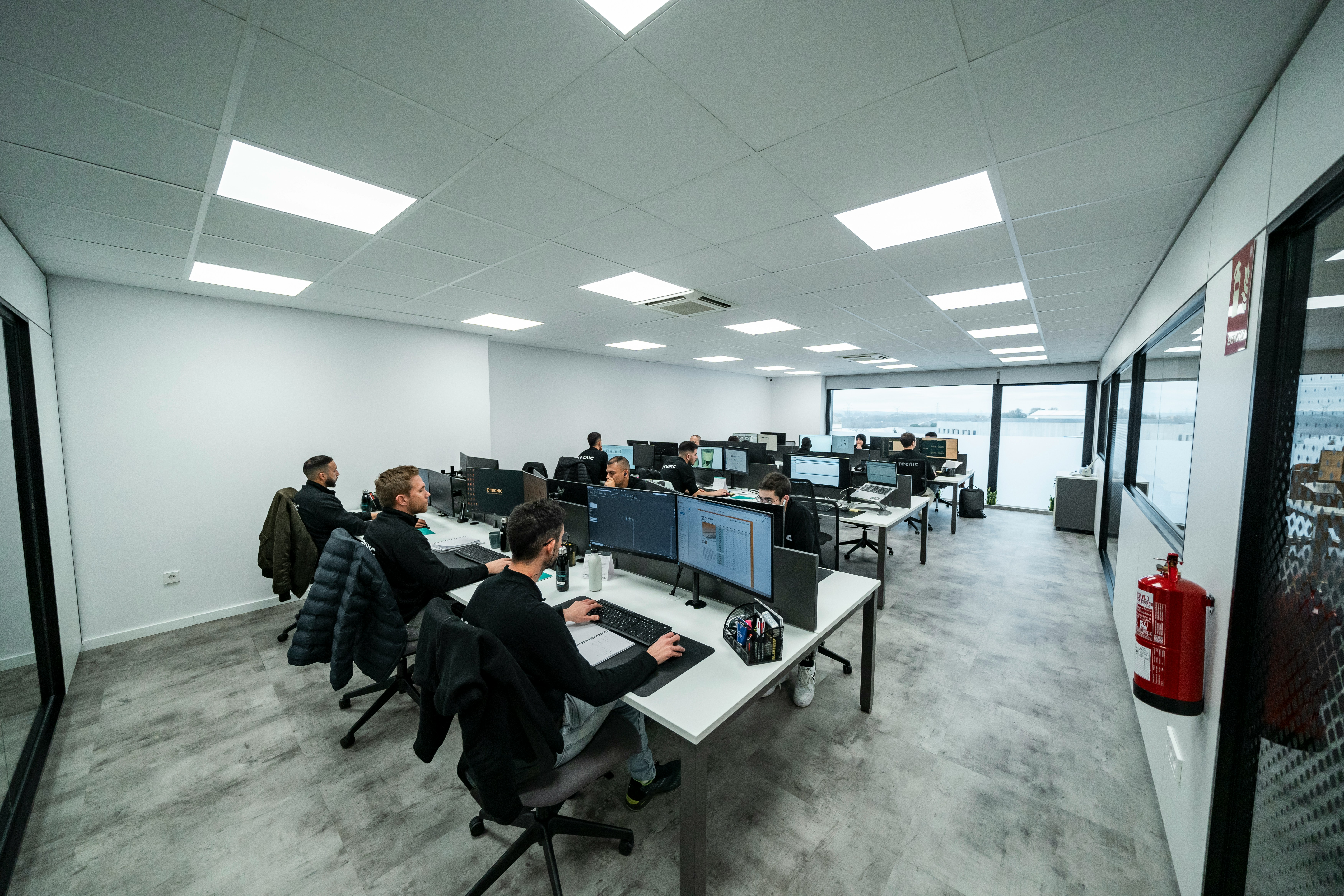
How recurring operational friction turns urgency into execution risk.
“We spend the whole day keeping things moving, but the important work still isn’t moving forward.”
I have heard versions of this from leaders who are not describing an idle organization. Their teams are serving customers, resolving exceptions, preparing reports, attending meetings, and keeping projects alive. The work is real. The effort is visible. Yet the same issues return, while the changes that could make the business more reliable remain unfinished.
The first explanation is usually about capacity. The team has too much to do. It needs more people, better prioritization, or faster execution. Those may be reasonable conclusions, but they leave another question unanswered: What keeps consuming the capacity the company needs to improve?
The work gets done. The friction remains.
Consider a report that has to be reconciled manually every week, a customer request that arrives without the information needed to act, or a decision that repeatedly returns to the same executive because the relevant criteria are unclear.
Each issue may be handled successfully. Someone finds the missing information, corrects the report, or makes the call. The immediate work moves forward, and the organization avoids a visible failure. Yet the conditions that created the problem remain in place.
This is how a company can become better at responding to problems without becoming less exposed to them. Workarounds preserve continuity, but they also make it easier for recurring friction to go unexamined. Since each instance gets resolved, there may be no single event that feels urgent enough to justify changing the process.
The cost accumulates in smaller ways: repeated work, delays between teams, inconsistent decisions, and reliance on people who remember how to handle exceptions. Teams spend capacity recovering from the system’s limitations, and the work of improving that system keeps getting postponed.
When urgency becomes a pattern
A recurring operational problem often follows the same path. An exception appears. Someone with the right context intervenes. The issue is resolved. The organization moves on.
Because the intervention works, the process can look healthy from a distance. The task was completed. The customer received an answer. The project continued. But if the same kind of intervention is needed again and again, the organization may be depending on informal coordination to compensate for unclear ownership, missing information, or decision logic that has never been made explicit.
That dependence creates execution risk. Outcomes can vary depending on who is available, what they remember, or how they interpret the situation. As the business grows, more people and teams have to coordinate around those gaps. The volume of urgent work can increase even when the underlying work has not become more valuable or more complex.
This is one reason a full calendar does not tell leaders whether the organization is making progress. It shows where people’s time is going. It does not show whether repeated work is becoming more reliable or whether the same decisions and corrections are being made again.
Turning recurring friction into a system change
The useful question is not simply how much work the team can absorb. It is which recurring problems the organization has learned to live with, and what risk they create.
Answering that requires looking at how work actually moves across people, teams, and systems. Where does it wait? What information is repeatedly missing? Which decisions return to the same people? Where do teams use workarounds because the documented process does not reflect how the business operates?
These questions help separate a temporary surge from a persistent source of execution risk. They also make prioritization more concrete. Instead of treating every complaint as a separate request, leaders can identify the repeated pattern, understand its consequences, and decide whether the best next step is clearer ownership, a simpler process, better information flow, or a system change.
The work should begin with a problem that matters and proceed in stages. Progress can be measured in terms of fewer delays, less rework, more consistent decisions, or reduced dependence on individual memory. The measure should reflect the risk the organization is trying to reduce.
At Soluntech, we help organizations reduce execution and decision risk by examining how critical work actually moves, where information or ownership breaks down, and which decisions repeatedly return to the same people. From there, we design and build systems around the way the business operates, introducing changes in stages and measuring progress through outcomes such as fewer delays, less rework, and more consistent decisions.
Software may be part of the answer when it helps the business carry information and decision logic through the work. The design still has to begin with a clear understanding of the process and the decisions it needs to support. Otherwise, a system can preserve the same ambiguities that made the work difficult in the first place.
A company will always have urgent work. The deeper question is whether resolving today’s issues makes tomorrow’s work more reliable, or whether the organization is spending its capacity to manage the same friction again.
When people are busy all day and the same problems keep returning, ask: Which part of this work should no longer require the same effort every time?
Questions this article raises.
Why can a company stay busy without making meaningful progress?+
Urgent tasks can consume the time and attention needed to resolve recurring problems. The team keeps work moving, while the friction that causes delays, rework, or repeated decisions remains in place.
How does recurring operational friction create execution risk?+
When teams rely on workarounds, informal coordination, or individual memory, outcomes can vary. This can lead to delays, inconsistent decisions, repeated work, and greater dependence on key people.
How can a company reduce operational friction?+
Start by tracing how critical work moves across people, teams, and systems. Identify where information is missing, decisions stall, or work gets repeated. Then address the highest-impact issue in stages and measure outcomes such as fewer delays, less rework, or more consistent decisions.
Alejandro Zakzuk
CEO
Alejandro writes about reducing decision risk before software, AI, and operational systems are built. His perspective focuses on validation, executive clarity, and building only what the business can defend.
Continue with related insights.
Explore more thinking connected to this topic, from software decisions to AI systems and operational execution.

When the CEO Becomes the Operating System
What looks like a delegation problem may actually be a decision-system problem.Over the years, I have had versions of the same conversation with CEOs of...
Alejandro Zakzuk
CEO
When Your Business Can No Longer Explain Itself?
When Your Business Can No Longer Explain Itself. Some of the most expensive operational problems begin long before anyone realizes they have a technology...
Alejandro Zakzuk
CEO

Why More Software Doesn’t Always Improve Healthcare Operations
Why operational complexity grows faster than decision clarity in healthcare organizations. Many healthcare organizations believe they have a software...
Alejandro Zakzuk
CEO