Build it once.
Build it right.
You’ve validated the direction. Now every engineering decision will either strengthen the system or slow the business down later.
We help leadership teams turn validated ideas into production systems that support real operations and remain adaptable as complexity grows.

Technical Rigor
Built to last
Build systems that last.
Production Systems · Implementation Architecture · Engineering Capabilities
After validation, the work shifts from deciding what should exist to engineering how it will operate in production. The right system has to account for decisions, workflows, data, teams, integrations, and the complexity the business will carry next.
Soluntech helps leaders choose the right engineering capabilities, design the right architecture, and turn validated direction into systems that support the business now without forcing a rebuild every time complexity increases.
You’re moving forward, but the pressure is real
You’re past the idea stage.
- You need to launch
- You need to get it right
- You can’t afford delays or rework
- The system has to support real operations
At this stage, speed matters.
But mistakes cost more.
Most systems are built to launch, not to last
Many teams focus on shipping fast.
What gets overlooked:
- how the system will evolve
- how changes will be handled
- how complexity will grow
The system works at first. Then it becomes harder to change, harder to scale, and harder to trust.
Risk Factor
Accumulating technical debt
Building fast is easy. Building right takes discipline.
Speed feels like progress.
But speed without structure creates problems:
- Shortcuts become permanent
- Architecture becomes fragile
- Every new feature creates risk
The real question is not: “How fast can we launch?”
It’s: “Will this system still work six months from now?”
Launch pressure becomes rework.
- Shortcuts harden
- Ownership blurs
- Change gets expensive
Structure protects future speed.
- Architecture is intentional
- Workflows are visible
- Change stays manageable
Build for today, design for what comes next
Translate validation into architecture
We use the evidence from discovery to shape the system's structure, scope, and boundaries.
Design for production change
We account for workflows, data, integrations, and the operational complexity likely to grow next.
Sequence implementation with discipline
We make engineering choices that reduce rework, preserve clarity, and avoid avoidable technical debt.
The right system depends on the operating reality.
Every validated initiative requires a different combination of engineering capabilities depending on operational complexity, business goals, and existing technology.
Custom Software Development
Build around the way the business works
- Translate validated direction into a working system
- Support real operating requirements
- Avoid rebuilding around complexity
Workflow Automation
Design systems around how your business actually operates
- Align systems with real workflows
- Reduce manual work
- Create consistency across operations
AI System Development
Embed intelligence into operational systems
- Improve decisions and workflows
- Connect AI to real operations
- Design for trust and feedback
Dedicated Development Teams
Scale delivery capacity with continuity
- Integrate experienced engineers
- Support long-term delivery
- Preserve technical ownership
What are you building?
The right engineering path depends on what the business needs the system to carry in production.
Custom Software Development
Validated direction now needs a production system shaped around a specific workflow, data model, or operating rule.
Translate the validated direction into architecture, scope, and a working system that fits the business.
Custom Software Development
When the operating model is specific, the system may need to be built around it.
Within the engineering phase, custom software is one capability for turning validated direction into a production system. It matters when the workflow, data model, roles, or operating constraints cannot be represented well by standard tools.
This hub introduces where the capability fits. The dedicated capability page explains when it is necessary and how Soluntech approaches the build.
Used well, this capability gives the organization a system that can operate, learn, and adapt.
When this is the right fit
- Validated direction needs to become a real operating system
- Existing tools force too many workarounds
- The business depends on workflows SaaS cannot reflect well
- You need software that can evolve with operational complexity
When this is the right fit
- Your team still depends on manual work inside digital processes
- Operations vary too much from person to person
- Your system does not reflect how work actually gets done
- You need more consistency without adding more overhead
Workflow Automation
Design systems that match how your business actually works.
Many systems fail because they are built around assumptions instead of real operations.
The software may look complete. But if it does not reflect how work actually happens, people create workarounds, manual effort returns, and consistency breaks down.
Workflow automation should be designed around the reality of the business.
A system should support the way your business works. Not force your team to work around it.
AI System Development
Design intelligence into the operating system of the business.
AI becomes useful when it improves a real decision, workflow, or knowledge flow inside the business. It creates less value when it remains a disconnected tool beside the work.
This capability introduces how intelligence can be designed into production systems with the right data, integrations, human review, and feedback loops.
AI System Development should make operations easier to understand, decide, and improve.
The best AI systems are built around how the organization works, not around a model demo.
When this is the right fit
- AI pilots are not reaching production
- Teams spend too much time interpreting information manually
- Critical knowledge is difficult to access consistently
- You need AI connected to workflows, data, and users
Dedicated Development Teams
Add engineering capacity that becomes part of how you execute.
Some organizations do not need another vendor standing outside the work. They need experienced engineers who can integrate with product, operations, and technology leaders over time.
Dedicated Development Teams provide scalable delivery capacity, technical continuity, and engineering leadership without turning the initiative into a temporary staffing exercise.
The goal is more predictable execution with stronger ownership of technical quality.
Capacity should help the organization move faster without losing engineering discipline.
When this is the right fit
- Hiring cycles are delaying important roadmap work
- Internal teams are overloaded
- Specialized engineering expertise is missing
- You need long-term delivery capacity with technical continuity
What disciplined engineering makes clear.
Building the right system means leaving leadership with more than shipped features. It creates a practical operating blueprint for how the system should work, change, connect, and be owned.
Architecture direction
The technical structure needed to support the operating model.
Production scope
The first build boundary that creates value without unnecessary complexity.
Workflow model
How work, decisions, roles, and exceptions should move through the system.
Integration plan
Where data and system boundaries need to connect reliably.
Operating handoff
The documentation, visibility, and ownership needed after launch.
Built in Practice
See how disciplined engineering choices turned validated direction into production systems that improved real workflows, decision-making, and operational reliability.

Built a clinical documentation workflow inside the consultation
A clinical team's documentation was consuming time and interrupting the consultation itself.

Re-engineered a system around therapist workflows
A mental health platform had become slow and difficult to use for the people who depended on it daily.
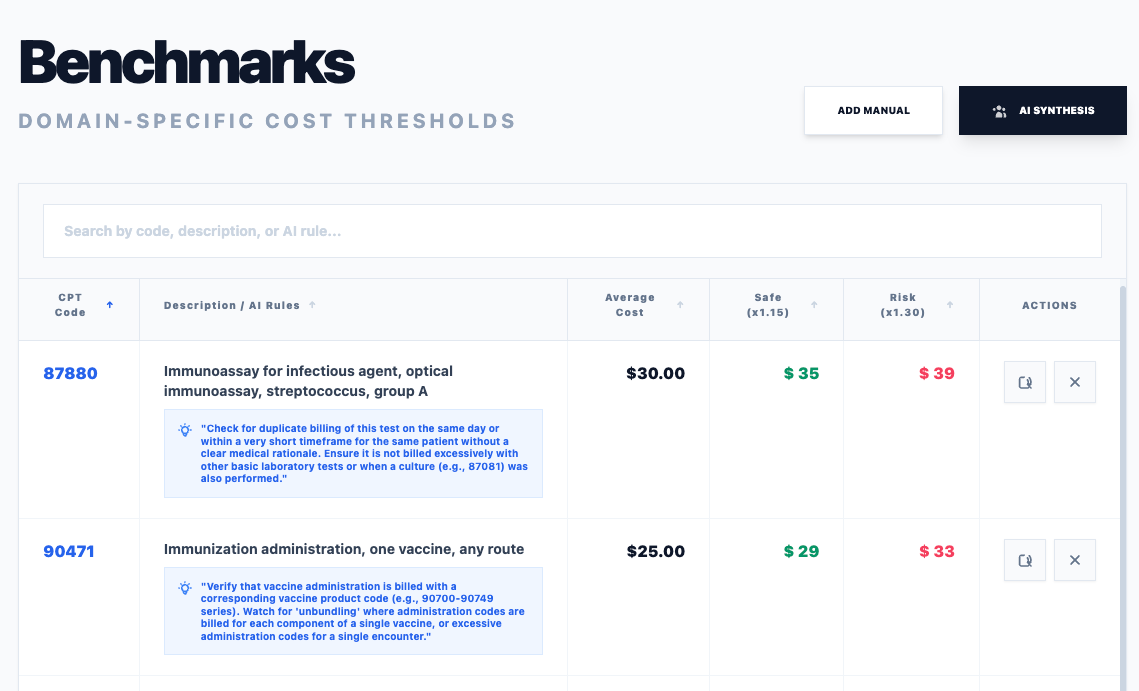
Built document intelligence for case review
Review effort was spread evenly across documents regardless of which ones could change the outcome.
Related Insights
Explore executive perspectives on software architecture, operating complexity, AI systems, and the discipline behind durable technology investments.


Frequently Asked Questions
When should an organization build a production system instead of adapting existing tools?
A dedicated system makes sense when the workflow, data model, decision logic, or operating advantage is specific enough that standard tools create workarounds instead of leverage. If the core uncertainty is still strategic, Start With Validation can help clarify what should be built before major implementation investment begins.
How do you know if an existing workflow should be redesigned?
A workflow usually needs redesign when teams rely on spreadsheets, side channels, manual reconciliation, duplicate entry, or personal knowledge to keep work moving. Those signals suggest the system no longer reflects how the business actually operates. When the system is already under strain, the next step may be to Evolve Your System instead of replacing everything at once.
How long should software be expected to last?
The useful life of software depends less on age and more on adaptability. A well-designed system should support current operations while leaving room for new workflows, reporting needs, integrations, and business rules. The goal is not to predict every future requirement. It is to avoid architectural decisions that make normal change expensive.
How do AI capabilities fit into modern software architecture?
AI should fit where it improves a real decision, workflow, or learning loop. That means the architecture must account for data quality, human review, model behavior, trust, feedback, and integration with the rest of the operating system. AI becomes valuable when it strengthens how the organization works, not when it is added as a disconnected feature.
What makes software scalable over time?
Scalable software has clear boundaries, reliable data, maintainable architecture, observable behavior, and room for change. It also reflects the way the business makes decisions. Our Case Studies and Insights show how stronger systems emerge from disciplined engineering and continuous learning.