Your system
is slowing you down.
Your system worked at first.
Now every change is harder, slower, and riskier.
When systems start breaking or can’t keep up, we help you transform them into systems that adapt, improve, and scale with your business.
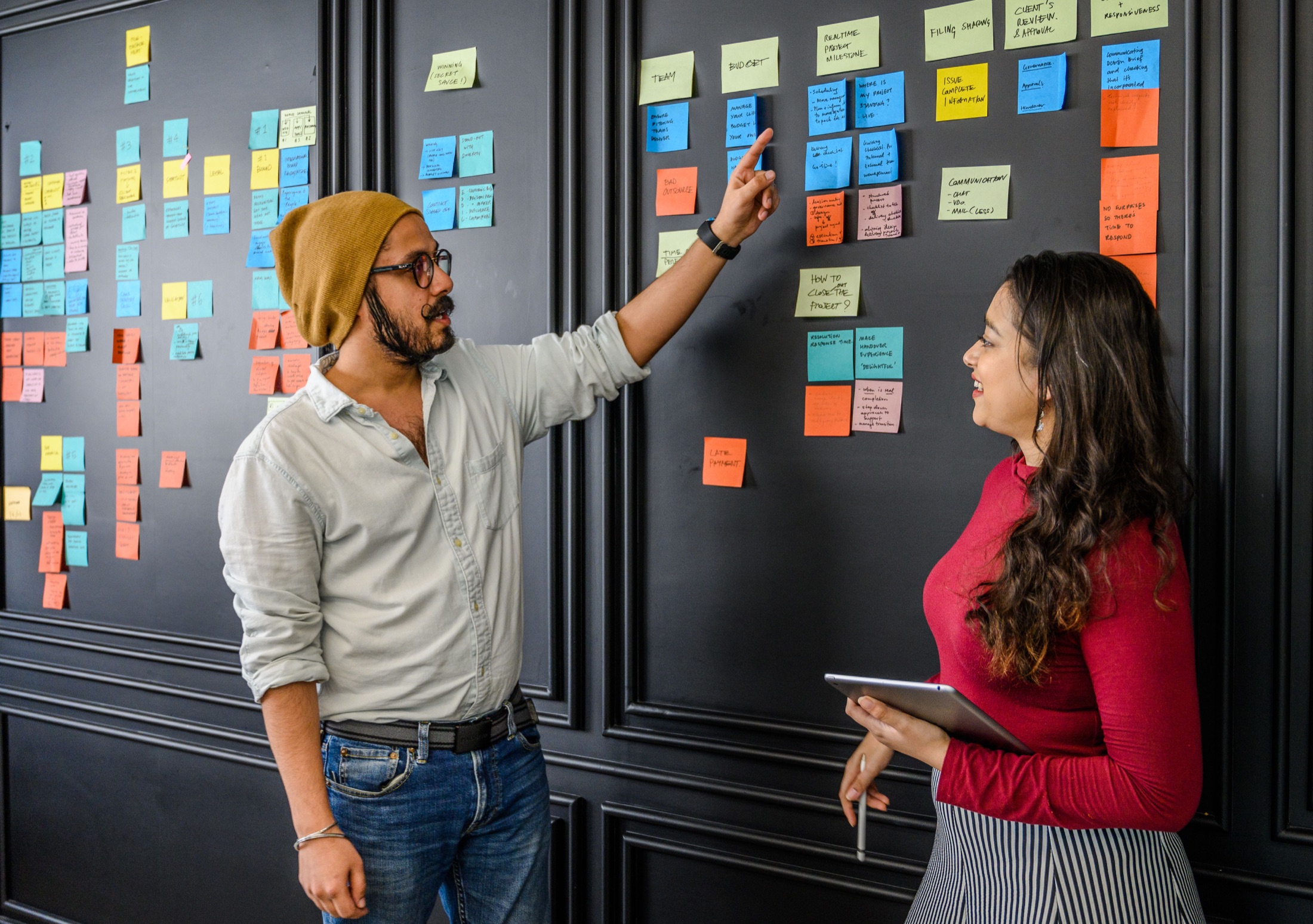
Keep your systems evolving.
Legacy System Modernization · Platform Evolution · AI-Built Software Evolution · AI-Native Transformation · System Recovery
Organizations eventually outgrow software because business processes, customer expectations, AI capabilities, and operational complexity keep changing. A system that once created leverage can quietly become the place where work slows down.
Soluntech helps leaders decide when Legacy System Modernization, Platform Evolution, AI-Built Software Evolution, AI-Native Transformation, or System Recovery is the right path, so existing technology can keep supporting the business without accumulating unnecessary risk.
You’re moving forward, but your system is holding you back
Growth didn’t break your system.
It exposed its limits.
- What used to be simple now takes too long
- Small changes create unexpected issues
- Workarounds are becoming permanent
- Teams are spending more time fixing than improving
The system still works.
But it’s slowing everything down.
The real problem is not the system. It’s how it was built.
Most systems are designed to work.
Not to evolve.
Risk Factor
Operational inertia
Manual processes come back
Automation stops improving
Data is collected but not used
Every change requires more effort than expected
The system becomes harder to maintain.
And harder to trust.
Patching delays the problem. It doesn’t solve it.
Fixing symptoms feels faster.
But it creates a bigger problem:
The real question
“How do we fix this issue?”
“How do we make sure this system doesn’t keep breaking?”
Patching
Chaotic Loops & Friction
- Fixes symptoms
- Adds dependencies
- Delays the real decision
Evolving
Linear & Adaptive Flow
- Clarifies root cause
- Reduces fragility
- Prepares the system for change
Evolve the system. Don’t keep repairing it.
Understand where things are breaking
Identify bottlenecks, hidden manual work, and system limitations.
Redesign how the system should work
Rebuild workflows so they support real operations, not outdated assumptions.
Help the system keep improving as conditions change
Use intelligence and feedback where they improve how the system operates.
When your system evolves, everything changes
You stop reacting to problems.
You start preventing them.
If you don’t fix the system, it will keep holding you back
Systems that don’t evolve become liabilities.
The right path depends on what is limiting the system.
Every organization reaches a point where existing systems begin limiting growth. The right evolution strategy depends on business priorities, technical debt, operational complexity, and future goals.
Legacy System Modernization
Improve the systems that still matter without forcing the organization into unnecessary disruption.
ExplorePlatform Evolution
Move beyond platform limitations without assuming migration is the only answer.
ExploreAI-Built Software Evolution
Evolve AI-built applications as they take on greater operational responsibility.
ExploreAI-Native Transformation
Help an existing system use intelligence where it matters.
ExploreSystem Recovery
Recover stability, visibility, and engineering control.
ExploreWhat is happening to your system?
The right evolution path depends on whether the system needs recovery, modernization, intelligence, or a staged roadmap.
System Recovery
The system is unstable enough that every change creates operational risk.
Recover stability, visibility, and engineering control before adding more complexity.
Legacy System Modernization
Preserve what still works while removing what keeps the business from adapting.
Legacy systems often contain years of operational knowledge. The problem is not always that the system is old. The problem is that the business has changed around it.
Modernization should protect the parts of the system that still create value while reducing the technical debt, dependencies, and workarounds that make every change harder than it should be.
The goal is not change for its own sake. The goal is to keep valuable software aligned with the way the organization now operates.
A modernized system should make the next change easier, not add another layer of complexity.
See how we approach Legacy System ModernizationWhen this is the right move
- The system is still essential, but difficult to change
- Teams rely on workarounds to complete normal operations
- Integrations or reporting depend on fragile assumptions
- You need to improve reliability without disrupting the business
Platform Evolution
Move beyond platform limitations without assuming migration is the only answer.
A platform can remain valuable even after the business begins to outgrow parts of it.
The decision is not simply whether to stay or migrate. The right path may be to extend, decouple, integrate, selectively replace, or gradually transition depending on what is actually limiting the business.
The goal is not to replace a platform because it has limits. It is to prevent those limits from determining what the business can do next.
See how we approach Platform EvolutionWhen this is the right move
- The platform still works, but workarounds keep growing
- Integrations or customization are becoming difficult
- Cost or vendor constraints are shaping business decisions
- You need more control without unnecessary migration
When this is the right move
- An AI-built application is becoming business-critical
- New features are increasing architectural complexity
- Testing, security, or deployment practices need strengthening
- The business needs clearer technical ownership
AI-Built Software Evolution
Keep the speed that proved the idea. Add the engineering discipline required to grow safely.
AI-assisted development can dramatically accelerate the path from idea to working application.
That speed becomes a different engineering problem once the software carries customers, workflows, data, revenue, or operational responsibility.
The goal is not to rebuild simply because AI helped create it. The goal is to strengthen the system where production responsibility now requires more discipline.
The application does not need to stop moving fast. It needs a foundation that can safely carry what comes next.
See how we approach AI-Built Software EvolutionAlready built something? The Production Readiness Assessment helps you see what it appears ready for next.
AI-Native Transformation
Turn systems that only execute into systems that improve over time.
Most systems are built to perform tasks. They follow rules. They execute workflows. They produce outputs.
But they don’t learn.
Over time, this creates a gap: the business evolves, but the system stays the same. AI-native systems close that gap.
This is not about adding AI features. It’s about building systems that get better as they are used.
A system that learns becomes more valuable over time. A system that doesn’t eventually becomes a limitation.
See how we approach AI-Native TransformationWhen this is the right move
- Your system works, but doesn’t improve
- You collect data, but don’t use it effectively
- Decisions depend too much on manual interpretation
- You want systems that adapt as your business evolves
When this is the right move
- Your system is slowing down day-to-day operations
- Issues keep reappearing after being "fixed"
- Teams are spending more time troubleshooting than improving
- You need stability before you can scale
System Recovery
Fix what’s already breaking before it slows everything down.
Some systems don’t need to evolve yet. They need to stabilize first.
You can feel when this is happening: small changes create unexpected issues, performance is inconsistent, and confidence in the system drops.
At this stage, the priority is not adding new features. It is restoring reliability.
You can’t build on top of something unstable. Stability comes first. Then evolution.
See how we approach System RecoveryHow evolution becomes a controlled decision.
The goal is not to modernize everything at once. It is to understand what is fragile, what still creates value, and what sequence reduces risk while the business keeps operating.
Stability assessment
Identify fragile workflows, recurring issues, and operational areas that need control first.
Technical debt map
Separate symptoms from root causes so modernization work reduces risk instead of moving it around.
Modernization priorities
Sequence the changes that protect current operations while making the next change easier.
AI readiness signals
Clarify where intelligence can improve decisions, workflows, and learning loops responsibly.
Evolution roadmap
Define the practical path for recovery, modernization, transformation, or a staged combination.
Built in Practice
See how existing systems, workflows, and operational constraints can be improved through disciplined engineering and real-world learning.

Built a clinical documentation workflow inside the consultation
A clinical team's documentation was consuming time and interrupting the consultation itself.

Re-engineered a system around therapist workflows
A mental health platform had become slow and difficult to use for the people who depended on it daily.
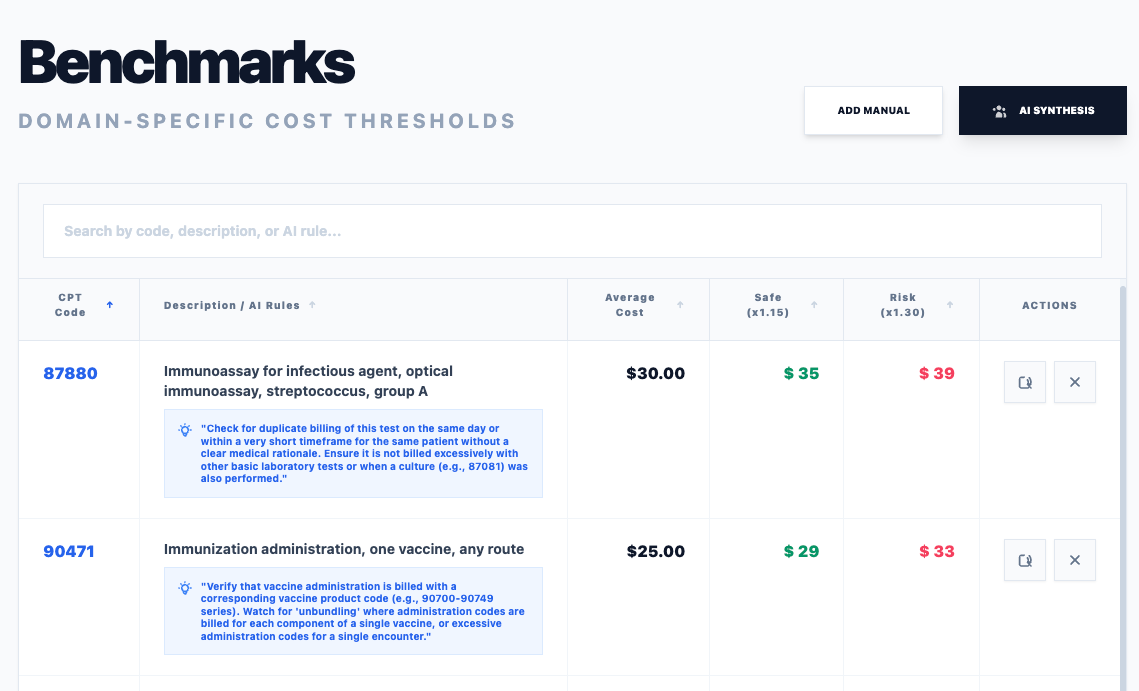
Built document intelligence for case review
Review effort was spread evenly across documents regardless of which ones could change the outcome.
Related Insights
Explore executive perspectives on legacy modernization, AI adoption, operational resilience, and long-term software evolution.



Frequently Asked Questions
When should legacy software be modernized?
Legacy software should be modernized when it still supports important operations but has become harder to change, integrate, trust, or maintain. The signal is not age alone. It is the point where technical debt, workarounds, and operational friction begin limiting business decisions.
Can AI be added to existing software?
Yes, but AI should be added where it improves a real workflow, decision, or learning loop. Before adding AI, the system needs enough clarity around data, process ownership, user trust, and operational fit. If the opportunity is still unclear, Start With Validation can help define where intelligence belongs.
How do you decide whether to rebuild or modernize?
The decision depends on the current system’s stability, business value, architecture, data quality, and role in daily operations. Modernization is often better when the system contains valuable knowledge and can be improved in stages. Rebuilding becomes more appropriate when the existing foundation prevents reliable evolution. When a new system is the right path, the next step is to Build the Right System with clearer constraints.
What causes software systems to become difficult to maintain?
Systems become difficult to maintain when business rules change faster than the architecture, when workarounds become permanent, when integrations accumulate without clear ownership, and when teams keep patching symptoms instead of addressing root causes. Over time, small compromises turn into operational drag.
How do you modernize software without disrupting operations?
Modernization should be sequenced around operational risk. The work usually starts by identifying fragile workflows, stabilizing critical areas, reducing hidden dependencies, and improving the system in controlled stages. Our Case Studies and Insights show how software can evolve while protecting the business it already supports.
Not sure whether to recover,
modernize, or transform?
Start by clarifying what is limiting the system and which path reduces the most operational risk.