Custom Software Development
Build software that remains valuable as your business evolves.
Soluntech provides custom software development services for organizations whose operations have outgrown off-the-shelf tools.
Custom software is rarely expensive because it is custom. It becomes expensive when it is built around today's requirements instead of tomorrow's operating reality.
We help organizations design and engineer software systems that continue creating value as complexity grows.

Architecture logic
Scope, data, workflow, and change need to stay connected.
The software problem is usually an operating problem first.
Leaders rarely seek Custom Software Development because they want more code. They seek it when the way the organization works has outgrown the tools around it.
Operations become fragmented. Teams move work through spreadsheets because the official process no longer fits. Systems stop sharing the same truth. Manual work returns in places where software was supposed to create leverage.
These are not only technical issues. They are leadership issues because they affect decision quality, execution risk, operating cost, and the organization's ability to adapt. The right custom software solution should reduce that risk, not simply add another application to manage.
When custom software becomes necessary
Custom software is most useful when standard tools no longer reflect how the business creates value, manages risk, or coordinates work.
The organization has reached the point where generic software is shaping operations more than supporting them.
What we design around
- The real workflow the system must support
- Where SaaS constraints create operational workarounds
- Which requirements are strategic rather than incidental
The system should be designed around operating logic before implementation choices are made.
What our custom software development services include
We build operational software systems, not isolated features.
Soluntech designs and engineers custom software solutions for organizations whose operations require more than an off-the-shelf tool. That can include internal platforms, workflow systems, customer portals, healthcare platforms, data-driven operating systems, and AI-enabled applications.
The common thread is not a technology stack. It is the need for software that reflects real business logic, real users, real constraints, and real decisions. A custom software development partner should understand those realities before engineering begins.
For some organizations, the right answer is a new system within Build the Right System. For others, the smarter path is staged improvement through Legacy System Modernization. When the main constraint is how work moves across teams and systems, Workflow Automation may define the operating logic before a broader build. The work starts by understanding which path reduces risk most effectively.
That is why we connect engineering decisions to Start With Validation, bring Dedicated Development Teams when delivery capacity needs continuity, and design the foundation so future AI System Development is possible when it serves the business.
Operational Systems
Internal platforms and business systems that coordinate complex work across teams.
The strongest software is not just built to launch. It is built to keep supporting the business as conditions change.
Systems we commonly support
- Operational systems that coordinate complex work01
- Internal platforms for teams and business units02
- Customer portals tied to real service delivery03
- Healthcare and regulated workflow platforms04
- AI-enabled applications connected to proprietary processes05
How we build custom software
Our software development services are structured around clarity, disciplined engineering, and reducing execution risk before complexity compounds.
Clarify the operating reality
We start by understanding the workflows, decisions, constraints, and assumptions the software must support.
Validate before development
When the direction is uncertain, we use evidence from Start With Validation before turning scope into engineering work.
Engineer for long-term change
We use modular architecture, AI-native execution where appropriate, and maintainable patterns so the system can evolve.
What better custom software makes possible
The goal is not more software. The goal is a stronger business system that makes execution clearer and risk easier to manage.
Reduced operational complexity
Work moves through clearer systems instead of hidden manual processes.
Systems aligned with business processes
Software reflects how the organization actually creates value.
Lower long-term maintenance cost
Architecture choices reduce avoidable rework and technical debt.
Improved decision visibility
Leaders can see the signals, dependencies, and outcomes that matter.
Scalable architecture
The system can absorb new workflows, integrations, and operating complexity.
AI-ready foundation
Data, workflows, and feedback loops can support AI-Native Transformation when the business is ready.
Custom software development in practice
These examples show the difference between building software as a feature list and engineering systems around real operational constraints.

Gave doctors back 2+ hours per day from documentation
A clinical team struggling with time-consuming documentation and workflow disruption. We implemented an AI-native solution that automated the heavy lifting of clinical notes.

Made a system 40% faster for therapists
A mental health platform slowed down by inefficient workflows and poor usability. We re-engineered the core architecture to prioritize speed and therapist focus.
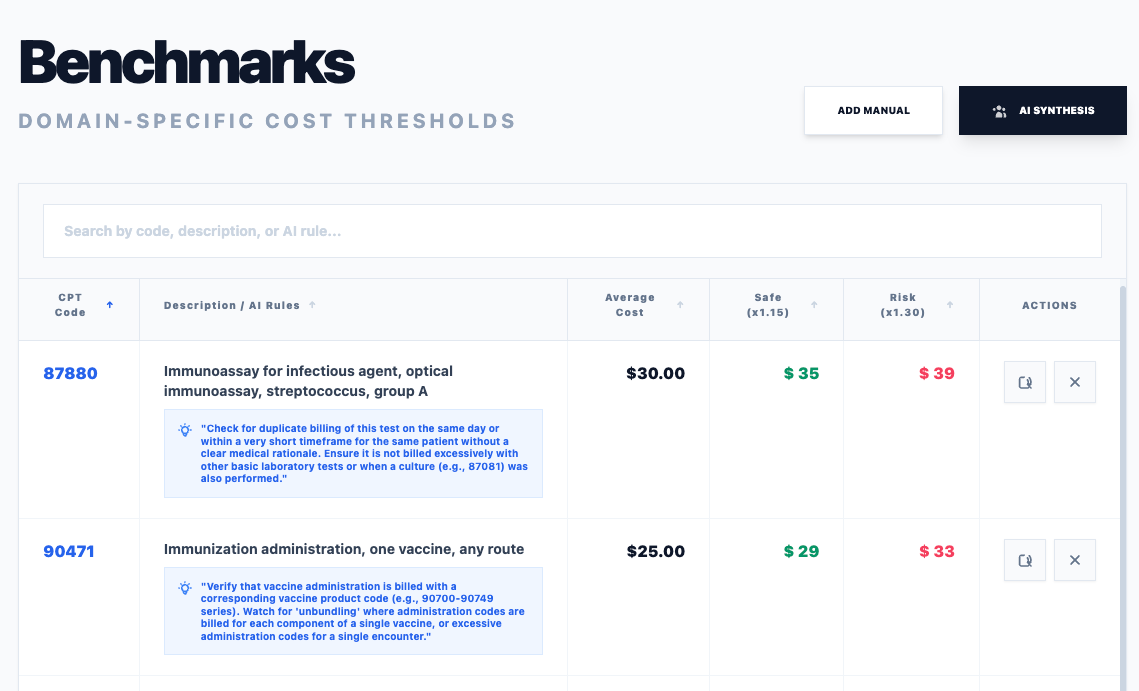
Made hidden revenue visible and actionable
Organizations unable to identify revenue opportunities hidden in documents. We built a data intelligence layer that surfaced actionable insights in real-time.
Frequently Asked Questions
What do custom software development services include?
Custom software development services cover the design, engineering, and long-term evolution of software built around one organization's operations. For Soluntech that includes internal platforms, workflow systems, customer portals, healthcare and regulated platforms, data-driven operating systems, and AI-enabled applications. The work spans architecture, integrations, and ongoing change, not only the first release.
When should a company invest in custom software?
A company should invest in custom software when standard tools no longer fit the way the business operates, when manual work is limiting growth, or when unique workflows are central to execution. The investment should be tied to a clear business system, not a general preference for custom technology.
How is custom software different from buying SaaS?
SaaS is designed around common patterns across many companies. Custom software is designed around the specific decisions, workflows, data, users, and operating constraints of one organization. SaaS is often the right choice when the process is standard. Custom software becomes more valuable when the process is strategic or unusually complex.
How long does a custom software project take?
The timeline depends on scope, integrations, risk, users, and operational complexity. A focused first version may take weeks or a few months, while custom enterprise software development is usually planned in staged releases. The more important question is how quickly the work can reduce uncertainty and create useful operating value.
Can AI be incorporated into custom software?
Yes. Our AI software development services incorporate AI where it improves a real decision, workflow, or learning loop. The system needs the right data, feedback mechanisms, human review, and trust model. AI should strengthen the operating system, not sit beside it as a disconnected feature.
How do you reduce implementation risk?
Implementation risk is reduced by validating assumptions early, narrowing scope around the most important operating value, designing modular architecture, and sequencing releases around real workflows. Soluntech also supports dedicated development teams when leadership needs experienced technical judgment and sustained delivery capacity.
Read before the next build decision
If you are deciding whether to build, modernize, or rethink a system, these perspectives help frame the operational risk behind the technical choice.



Ready to build software
that holds up?
When the operating stakes are real, the system should be engineered around more than today's requirements.