Systems that
keep operations moving.
Logistics and supply chain operations are complex, with many moving parts and stakeholders.
We help organizations validate, build, and evolve systems that improve coordination, visibility, and operational flow.
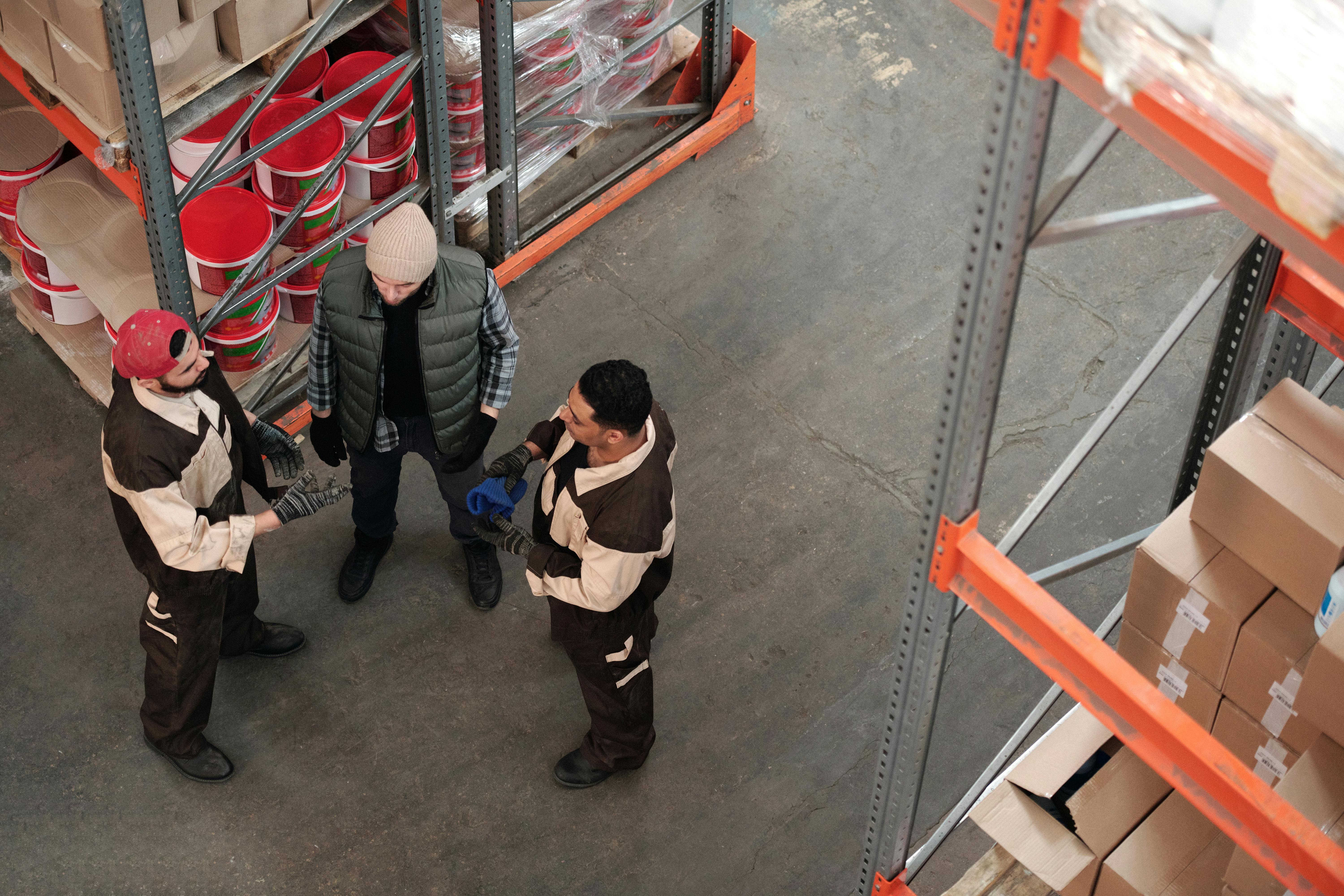
Where risk concentrates
The handoff
The friction
of logistics
Most logistics software is designed in isolation, failing to account for real-world exceptions and fragmented data sources.
- Manual coordination points slow down transitions
- Poor visibility across the chain leads to delays
- Disconnected tools create data silos
What this actually costs
Coordination moves into phone calls and side channels. The exception is handled, but the system never learns it happened, so the same gap reopens next week.
Systems built in isolation
Most logistics tools don't account for real-world exceptions. Data is siloed, making real-time decisions impossible.
The result of "Siloed" development:
- Manual handoffs between fragmented systems
- Inconsistent data across the supply chain
- Slow response to operational exceptions
Connected Operational
Flow
We engineer systems that treat the supply chain as a single, connected flow, where data moves as fast as the physical goods.
Our approach to logistics systems:
- Validating the operational workflow before building
- Integrating fragmented data into a single source of truth
- Automating coordination points to reduce manual friction
Siloed Systems
Manual Handoffs → High Friction
Soluntech Systems
Connected Flow → High Throughput
Validate the operational path
before you build the system
Map the Flow
We identify every manual handoff and data silo that slows down your operations.
Validate the Solution
We test the system design with operational teams to ensure it supports real-world exceptions.
Engineer for Scale
We build high-performance systems that handle growth without increasing manual work.
A simple way to build the right system
Validate
Understand the real workflow before building
Build
Develop the right solution based on evidence
Evolve
Improve continuously using real data
Examples of logistics workflows we’ve improved
Shipment tracking coordination
Tracking updates come from multiple teams and systems, often inconsistent and delayed.
Standardizing how updates are captured creates a single, reliable view of shipment status.
Warehouse handoff workflows
Inventory moves between locations, but handoffs depend on manual confirmation and follow-ups.
Defining clear steps and ownership reduces delays and missed transitions.
Exception handling processes
Issues like delays or missing items are handled inconsistently across teams.
Structuring how exceptions are identified and resolved improves response time and visibility.
Delivery status visibility
Delivery updates exist, but are fragmented across tools and communication channels.
Aligning data capture across the workflow makes status visible in real time.
Before proposing a system change, we establish which handoff loses visibility, how long it takes anyone to notice, and what that delay changes downstream.
The objective is to understand the operational break before deciding how software should address it.
Operational outcomes,
engineered.
Faster Response
Real-time visibility allows teams to resolve exceptions before they become delays.
Better Visibility
A single source of truth for shipment status and operational health.
Less Manual Work
Automated coordination points reduce the need for manual data entry and follow-ups.
Explore operational systems
See how we build systems that improve operational efficiency and visibility.
Explore AI-NativeNot sure where coordination is breaking down?
Start by validating the real workflow before building more software.
Start with Validation