Legacy System Modernization
Evolve critical systems without disrupting the business they support.
Soluntech provides legacy system modernization services that evolve critical systems without disrupting the business they support.
Old software is rarely the real problem. The problem is when the business can no longer evolve because the system cannot.
Soluntech helps organizations modernize safely, incrementally, and strategically by understanding what should remain, what should evolve, and what should disappear.
Modernization logic
Preserve what works. Change what limits growth.
Why full replacement is often the riskiest answer
Many organizations reach a point where critical systems become difficult to change. Releases slow down. Maintenance costs rise. Integrations become fragile. Business teams create manual workarounds because the official platform no longer reflects how work needs to move.
The instinct is often to replace everything. But a full replacement can create more risk than the legacy system itself when the software still carries essential business logic, operational history, data relationships, and institutional knowledge.
Legacy System Modernization is the discipline of evolving the system with judgment. The work begins by understanding where the real constraint lives before deciding whether to refactor, integrate, migrate, rebuild, or leave a component alone.
When legacy system modernization becomes necessary
Legacy software modernization matters when the system still runs the business, but its structure is making normal change slower, riskier, or more expensive.
The system still carries important business logic, but its internal coupling makes normal change unreliable.
What should evolve
- Where business rules are hidden
- Which dependencies create side effects
- What can be isolated before larger change
Modernization should begin by separating fragile dependencies from the business logic that still matters.
What our legacy system modernization services cover
We modernize the parts of the system that create risk, not everything by default.
Soluntech provides Software Modernization Services for organizations whose legacy systems still matter but no longer give the business enough room to adapt. The work may involve Legacy Application Modernization, selective refactoring, API design, data model improvement, user experience redesign, cloud migration where appropriate, or rebuilding specific components.
Modernization does not mean treating the existing system as disposable. Some parts may still be reliable, valuable, and deeply aligned with the business. Other parts may be slowing execution or increasing operational risk. The discipline is knowing the difference.
If the current platform cannot support future capabilities, modernization may connect with Platform Evolution to clarify whether extension, decoupling, transition, or selective replacement is the right path, or with Custom Software Development. If operational bottlenecks exist without replacing the platform, Workflow Automation may be the better starting point. If modernization needs to prepare workflows and data for production AI, it may also connect to AI System Development. When the organization is still deciding what the future system should become, the broader engineering journey sits within Build the Right System and can be supported by Dedicated Development Teams when the work requires long-term engineering continuity.
Core Applications
Business-critical platforms that need safer change, clearer architecture, or staged renewal.
Modernization should create more room to change without putting the business at unnecessary risk.
Modernization areas we commonly support
- Core business applications and internal platforms01
- Legacy system migration and staged component replacement02
- API, integration, and data modernization03
- Workflow and user experience improvement04
- Cloud migration when it reduces operational risk05
How we modernize
Our approach avoids big-bang replacement. We create a modernization path that preserves operational continuity while reducing the constraints that make change expensive.
Understand the operating reality
We study the workflows, business rules, data, users, dependencies, and failure points the legacy system supports.
Evaluate what should change
We identify what should remain, what should evolve, what should be integrated differently, and what should disappear.
Modernize in controlled stages
We sequence improvements so the system can become more adaptable while the business continues operating.
What better modernization makes possible
The goal is not a newer technology stack. The goal is a business system that becomes easier to maintain, extend, integrate, and trust.
Lower operational risk
Critical systems become easier to change without creating unnecessary disruption.
Faster delivery
Teams can release improvements with more confidence and less coordination overhead.
Easier maintenance
Architecture, code, and dependencies become clearer to understand and support.
Better integrations
Data and workflows move more reliably across systems, teams, and reporting needs.
Higher adaptability
The system can support new workflows, capabilities, and operating models over time.
Greater business agility
Leadership can make system decisions with clearer visibility into risk and impact.
Legacy system modernization in practice
These examples show why modernization is not only a technical exercise. The strongest work reduces risk while improving how the business operates.
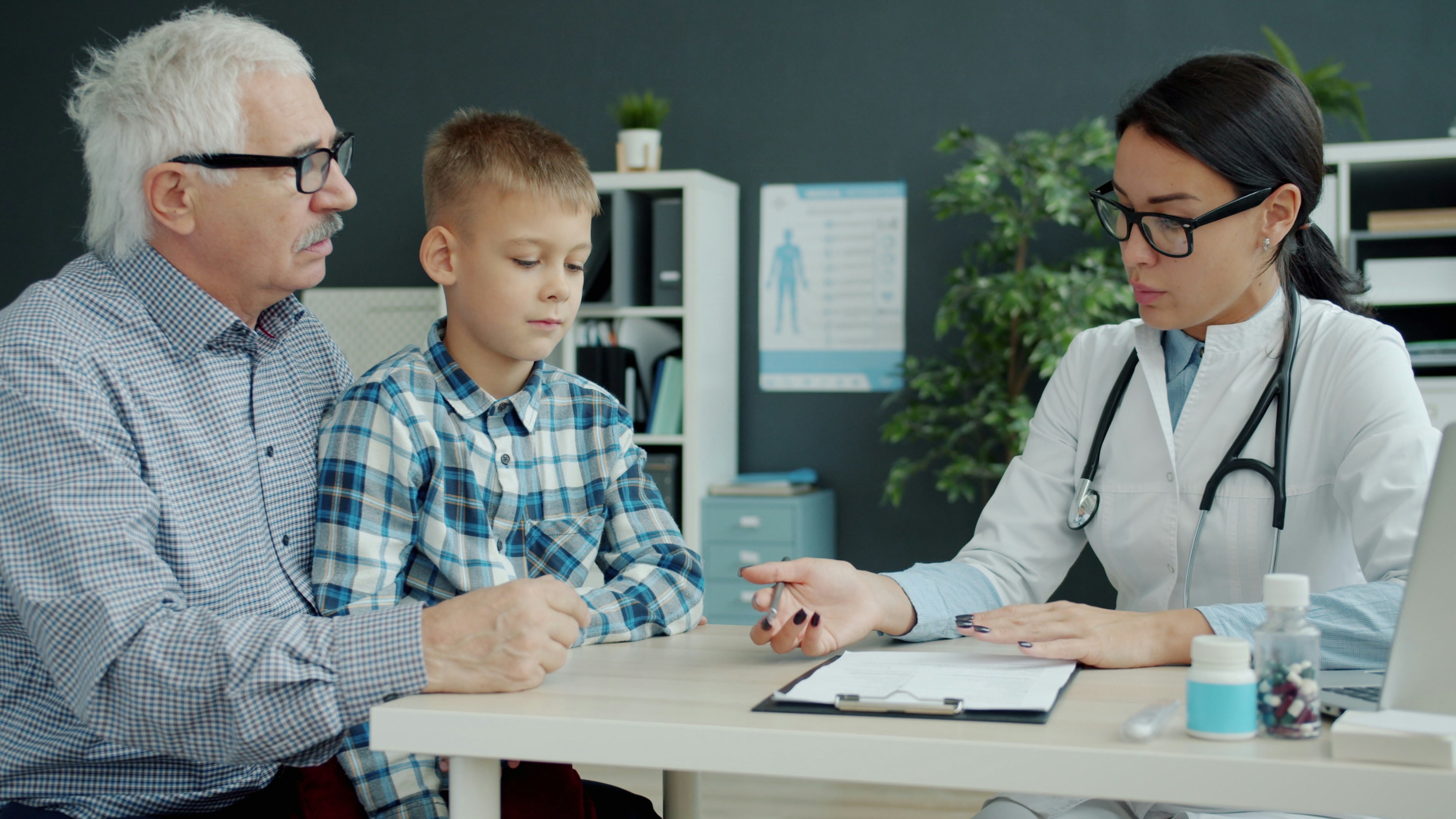
Gave doctors back 2+ hours per day from documentation
A clinical team struggling with time-consuming documentation and workflow disruption. We implemented an AI-native solution that automated the heavy lifting of clinical notes.

Made a system 40% faster for therapists
A mental health platform slowed down by inefficient workflows and poor usability. We re-engineered the core architecture to prioritize speed and therapist focus.
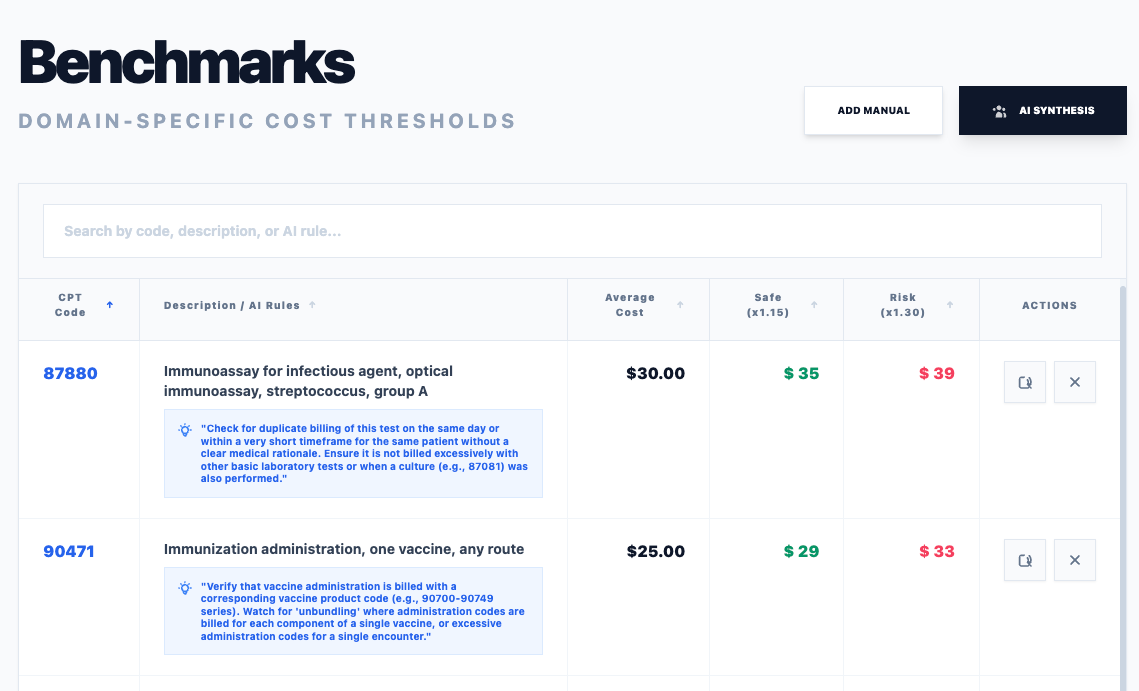
Made hidden revenue visible and actionable
Organizations unable to identify revenue opportunities hidden in documents. We built a data intelligence layer that surfaced actionable insights in real-time.
Frequently Asked Questions
What are legacy system modernization services?
Legacy system modernization services evolve business-critical software in controlled stages: refactoring, integrating, migrating, or rebuilding components depending on where the real constraint lives. The goal is to reduce operational risk and restore the system's ability to change, not to replace everything by default.
Should we replace or modernize our legacy system?
The answer depends on which parts of the system still create value and which parts create risk. Replacement may be appropriate when the system cannot support the future operating model, but modernization is often safer when critical business logic, data, or workflows can be preserved and evolved.
Can modernization happen without downtime?
In many cases, yes. Modernization can often be sequenced through staged releases, parallel components, integration layers, data migration planning, and careful validation. The goal is to reduce operational disruption rather than create a single high-risk transition.
How long does legacy system modernization usually take?
The timeline depends on system complexity, technical debt, data quality, integrations, users, and business risk. A focused modernization initiative may improve a specific workflow or component quickly, while enterprise application modernization is usually planned in stages.
Can existing data be preserved?
Usually, yes. Preserving data requires understanding the current data model, quality issues, dependencies, reporting needs, and migration risks. Data preservation is often one of the most important parts of Legacy System Migration and Application Modernization.
Can legacy systems be integrated instead of replaced?
Yes. In some cases, the safest modernization path is to integrate around the existing system, expose clearer APIs, improve data flows, or add workflow layers before replacing core components. This can reduce risk while giving the business more usable capability.
How do we decide what should remain?
We evaluate business value, operational dependency, technical risk, maintainability, user impact, data importance, and future constraints. Components that remain useful and stable may be preserved, while components that create recurring risk or block growth may need to evolve.
Is legacy modernization only a technical project?
No. Legacy System Consulting should include operating model, workflow, decision, and risk analysis. The technical work matters, but modernization succeeds when it improves how the organization can operate and change.
Can modernization prepare the system for AI or automation?
Yes, when the foundation supports it. Modernization can improve data access, workflow structure, system boundaries, and feedback loops so future automation or AI capabilities can be added where they create real operating value.
Read before replacing the system
Modernization decisions are rarely only technical. These perspectives help leaders think through risk, system evolution, AI readiness, and the cost of rebuilding too soon.


Ready to evolve the system
without breaking it?
When a system still carries the business, modernization should protect continuity while creating room for what comes next.