Product Discovery
Clarify the problem, desired outcome, and investment logic before deciding what to build.
Product Discovery is not a requirements-gathering exercise. It is the discipline of making the next investment decision safer before engineering momentum begins.
Soluntech helps founders, executives, and product leaders separate real operating needs from assumptions, feature lists, and internal urgency.
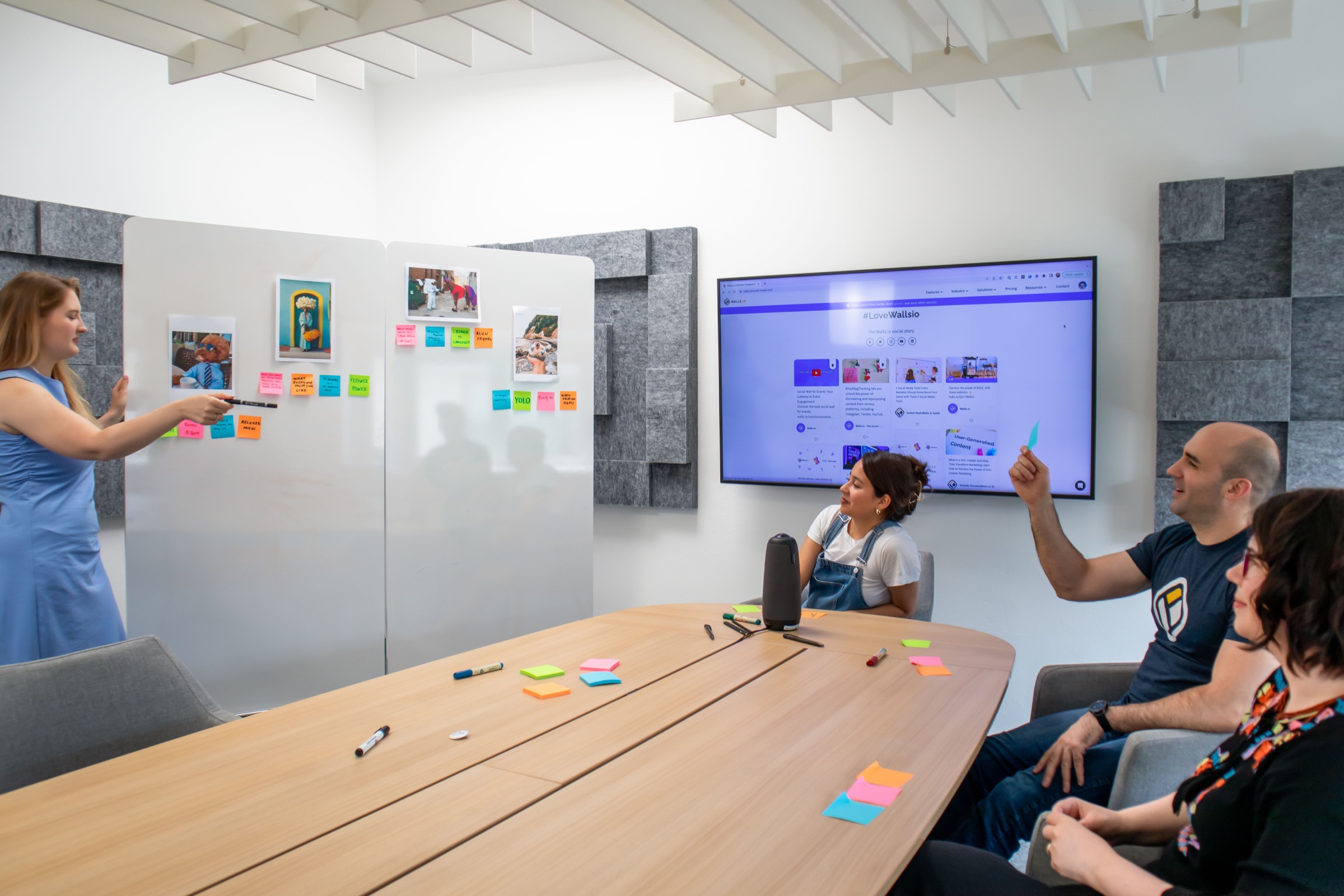
Discovery logic
Problem, outcome, assumptions, and decision criteria need to align before the build.
The most expensive product mistake happens before development begins.
Many software initiatives begin with a feature list, an assumed solution, internal opinions, and pressure to start quickly. The team may be moving, but the investment logic is still unclear.
The problem is not slow execution. The problem is committing resources before the business outcome, user problem, operational reality, assumptions, and definition of success are sufficiently clear.
Product Discovery reduces decision risk by creating evidence before the organization increases investment. It helps leadership decide whether to test, prototype, build, postpone, or reconsider the initiative.
When Product Discovery becomes necessary
Product Discovery Consulting is most useful when the initiative has enough strategic importance to justify investment, but not enough clarity to justify immediate development.
The initiative has strategic energy, but the investment case is still too broad to guide scope, tradeoffs, or engineering priority.
What we clarify first
- The business outcome that would justify investment
- The decision owner and success criteria
- Which constraints matter before scope is defined
Discovery should begin by framing the outcome before discussing features.
What we clarify
The objective is not to produce more documentation. The objective is to make the next decision safer.
Soluntech provides Software Product Discovery and Digital Product Discovery for organizations that need more than a Software Discovery Workshop or a feature list. The work clarifies business outcomes, user and operational problems, stakeholder alignment, success metrics, workflow reality, solution constraints, evidence gaps, and initial scope boundaries.
Product Discovery is most valuable when it connects strategy to system design. A product may look simple at the feature level, but still carry risk in adoption, workflow fit, technical feasibility, operating cost, data quality, or the business model behind it.
When discovery shows that the direction is ready for engineering, the next step may be Custom Software Development. When the uncertainty is still broad, the wider Start With Validation journey helps determine which assumptions deserve attention first.
Not sure where the uncertainty is? Start the Validation Assessment to organize your current thinking and receive a personalized Validation Brief before deciding whether a full Product Discovery engagement is needed.
Outcome Logic
Clarifying the business result, success metrics, investment rationale, and decision criteria.
Discovery should reduce avoidable uncertainty without pretending every question can be answered before real-world learning begins.
Decision artifacts we commonly produce
- Outcome Brief01
- Problem Definition02
- Assumption Map03
- Evidence Gaps04
- Risk Framing05
How we move from ideas to a defensible direction
Our approach keeps the work focused on the decision leadership needs to make, not on producing a larger backlog.
Frame the outcome
We clarify the business result, affected users, operating context, decision owner, and why the initiative matters now.
Examine the assumptions
We identify what is known, what is believed, what evidence already exists, and which assumptions could change the investment decision.
Define the next responsible move
We determine whether to test, prototype, assess, build, postpone, or reconsider the initiative based on evidence and risk.
What Product Discovery makes possible
Product Discovery does not promise certainty. It reduces the avoidable uncertainty that leads to expensive rebuilds, unclear MVPs, and premature engineering commitments.
Clearer investment decisions
Leadership can decide what deserves budget and what still needs evidence before development begins.
Stronger stakeholder alignment
Teams can align around the outcome, problem, and decision criteria instead of competing feature preferences.
Reduced scope risk
The initial direction becomes easier to defend because boundaries are tied to evidence and investment logic.
Fewer avoidable rebuilds
The organization can avoid building too much too early around assumptions that should have been tested first.
Better MVP boundaries
MVP Strategy becomes clearer when the smallest useful build is tied to the learning or business decision it must support.
More defensible roadmaps
Roadmaps become grounded in outcomes, constraints, and assumptions rather than internal momentum alone.
Built in Practice
These examples show how disciplined discovery and validation thinking can lead to stronger systems, clearer operating decisions, and better execution.

Gave doctors back 2+ hours per day from documentation
A clinical team struggling with time-consuming documentation and workflow disruption. We implemented an AI-native solution that automated the heavy lifting of clinical notes.

Made a system 40% faster for therapists
A mental health platform slowed down by inefficient workflows and poor usability. We re-engineered the core architecture to prioritize speed and therapist focus.
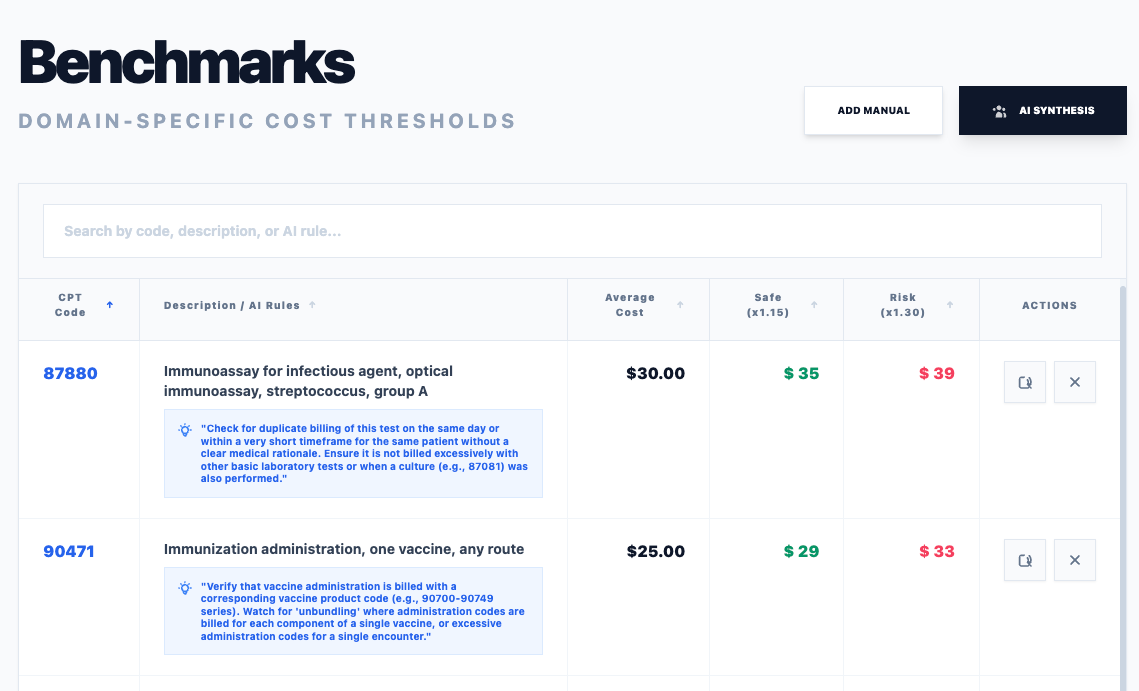
Made hidden revenue visible and actionable
Organizations unable to identify revenue opportunities hidden in documents. We built a data intelligence layer that surfaced actionable insights in real-time.
Frequently Asked Questions
What is Product Discovery?
Product Discovery is the process of clarifying the business outcome, user or operational problem, assumptions, constraints, success metrics, and investment logic before deciding what should be built. Its purpose is to reduce decision risk, not to create a larger feature list.
When should Product Discovery happen?
Product Discovery should happen before significant engineering investment, especially when the problem, users, operational workflow, business case, success metrics, or solution direction are still unclear.
How is Product Discovery different from requirements gathering?
Requirements gathering usually assumes the solution direction is already correct and documents what the system should do. Product Discovery questions whether the direction is right, what outcome matters, which assumptions need evidence, and what the next responsible move should be.
Do we need a defined product idea before starting?
No. Product Discovery can begin with a broad opportunity, operational problem, product concept, AI idea, or business goal. The work helps clarify whether there is a product direction worth pursuing and what evidence should guide that decision.
What does Product Discovery produce?
Typical outputs include an Outcome Brief, Problem Definition, Assumption Map, Evidence Gaps, Risk Framing, Initial Scope Boundaries, and a Recommended Next Step. These are decision artifacts, not production documents.
How long does Product Discovery take?
The timeline depends on the complexity of the initiative, stakeholders, users, workflows, data, and technical context. The work is designed to create decision clarity quickly enough to inform investment before the organization commits to a larger build.
Can Product Discovery show that we should not build?
Yes. A useful discovery process can reveal that the initiative should be tested further, postponed, narrowed, reframed, or not built. Avoiding the wrong investment is one of the most valuable outcomes of Product Discovery.
How does the Validation Assessment relate to Product Discovery?
The Validation Assessment is an interactive tool that helps organize current thinking around the problem, assumptions, business risk, and next decision. Product Discovery is a deeper engagement for teams that need structured guidance, evidence, and decision artifacts before committing to development.
Read before deciding what to build
These perspectives help leaders think through uncertainty, assumptions, MVP boundaries, and the cost of building before the decision is clear.




Ready to clarify the decision before committing to development?
Use the assessment to organize the uncertainty, or speak with us when the decision is strategic enough to require a deeper discovery process.