AI-Native Transformation
Transform existing software into systems where intelligence becomes part of everyday operations.
Organizations already have software, data, and workflows. The next advantage comes from making those systems more observant, adaptive, and useful in the decisions people make every day.
Soluntech helps leaders evolve software-driven operations into intelligence-driven operations without treating AI as a disconnected experiment.

Transformation logic
Existing workflows, operational data, and intelligence need to evolve together.
Software alone no longer creates competitive advantage.
Many organizations have already invested in software, platforms, dashboards, and data. Yet the systems remain mostly static. They execute workflows, store information, and report activity, but they do not help the organization learn fast enough from what is happening.
Knowledge stays fragmented across people, documents, and systems. Decisions remain inconsistent. Workflows cannot adapt without manual intervention. Operational data is underused. AI initiatives show promise, but often sit outside the systems where real work happens.
AI-Native Transformation is the discipline of evolving existing software so intelligence becomes part of the operating model, improving decisions and workflows while reducing execution risk.
When AI-native transformation becomes necessary
AI transformation services become useful when existing systems still matter, but the organization needs them to support better decisions, adaptive workflows, and continuous operational learning.
The system executes work, but it is not helping the organization reuse what it has already learned.
What should become intelligent
- Which recurring problems should become system knowledge
- Where feedback is lost
- How learning should influence future workflows
Transformation should embed learning loops where repeated problems create reusable intelligence.
What we transform
We evolve operational systems by embedding intelligence into the places where work already happens.
Soluntech provides Enterprise AI Transformation and AI Modernization for organizations that want existing software to become more intelligent without losing operational control. The work can include AI-assisted workflows, embedded decision support, intelligent knowledge retrieval, operational copilots, AI agents integrated with business systems, and continuous learning systems.
This is not AI consulting as a detached strategy exercise. It is engineering work inside real systems. The goal is to understand where intelligence should improve decisions, where workflows should adapt, and where existing software needs better data, interfaces, feedback loops, or integration.
AI-Native Transformation often begins with Legacy System Modernization when the current platform needs safer evolution, connects with Platform Evolution when platform constraints shape the AI path, connects with AI System Development when new intelligent capabilities need to be engineered, and depends on Workflow Automation when intelligence must become part of daily execution.
In some cases, the transformation reveals the need for Custom Software Development or Dedicated Development Teams when the organization needs sustained engineering capacity to evolve systems over time.
AI-Assisted Workflows
Workflow steps where intelligence helps route, summarize, classify, recommend, or detect exceptions.
The strongest transformation makes the existing system more useful every time the organization learns.
Systems we commonly evolve
- AI-assisted workflows and operational copilots01
- Embedded decision support inside existing platforms02
- Intelligent knowledge retrieval and document intelligence03
- AI agents connected to business systems04
- Adaptive operational processes and continuous learning systems05
How we evolve existing systems
Our approach keeps the focus on operational outcomes. Intelligence is embedded where it can improve decisions, workflows, adoption, and system learning.
Understand the operational model
We study how work, data, decisions, exceptions, knowledge, and existing systems interact today.
Embed intelligence into critical workflows
We design AI integration around the moments where better context, recommendations, routing, or learning can improve execution.
Measure adoption and improve continuously
We evaluate whether intelligence is being used, trusted, and translated into better decisions, then improve the system from real usage.
What AI-native makes possible
The value is not that the system uses AI. The value is that the system helps the organization decide, adapt, and execute with more clarity.
Faster operational decisions
Teams can act with better context and less time spent searching or reconciling information.
Better knowledge reuse
Institutional knowledge becomes easier to access, apply, and improve across teams.
More consistent execution
Workflows can support shared criteria, clearer signals, and better decision support.
Smarter workflows
Processes can route, recommend, classify, and surface exceptions where intelligence adds value.
Continuous operational learning
The system can capture feedback and usage signals that help the organization improve over time.
Higher organizational adaptability
The business becomes better equipped to adjust workflows, decisions, and systems as conditions change.
Built in Practice
These examples show how stronger systems emerge when software, workflows, data, and operational learning are designed together.

Gave doctors back 2+ hours per day from documentation
A clinical team struggling with time-consuming documentation and workflow disruption. We implemented an AI-native solution that automated the heavy lifting of clinical notes.

Made a system 40% faster for therapists
A mental health platform slowed down by inefficient workflows and poor usability. We re-engineered the core architecture to prioritize speed and therapist focus.
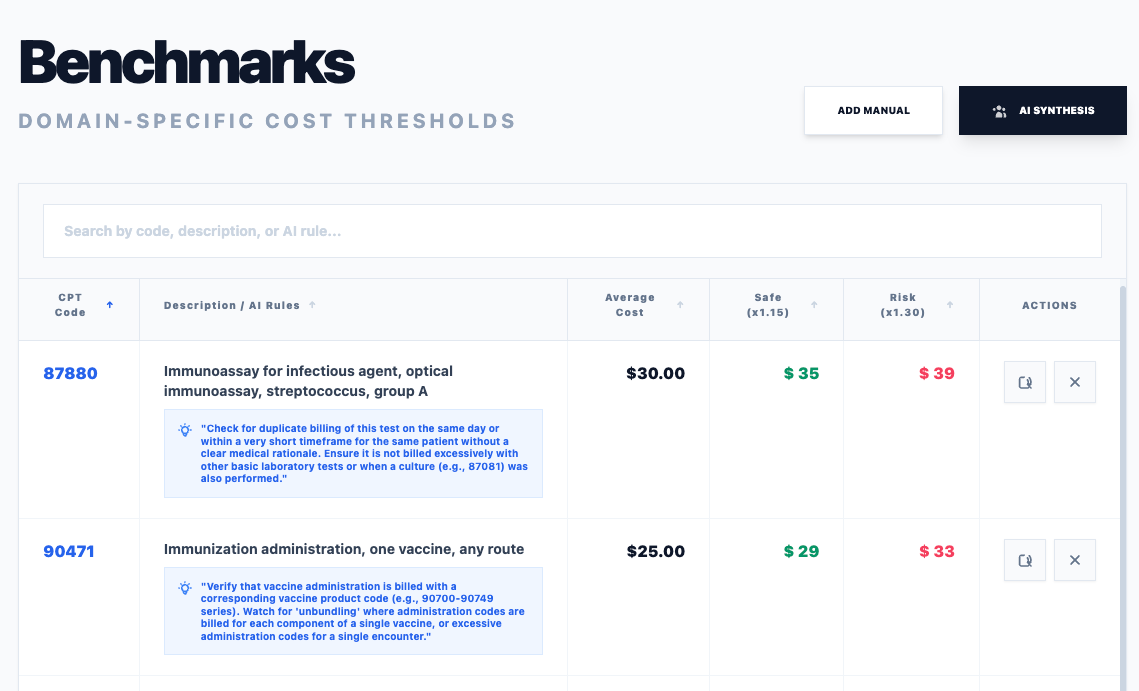
Made hidden revenue visible and actionable
Organizations unable to identify revenue opportunities hidden in documents. We built a data intelligence layer that surfaced actionable insights in real-time.
Frequently Asked Questions
What does AI-Native Transformation actually mean?
AI-Native Transformation means evolving existing software and workflows so intelligence becomes part of everyday operations. The system does not simply store data or execute rules. It helps people find context, make better decisions, learn from outcomes, and adapt workflows over time.
Can existing software become AI-native?
Yes. Existing software can often become more AI-native through better data access, workflow redesign, embedded decision support, intelligent retrieval, feedback loops, and AI integration. The right path depends on the quality of the current system, data, workflows, and operational constraints.
Do we need to replace our current systems?
Not necessarily. In many cases, AI-native transformation builds around or inside existing systems. Replacement may be appropriate when the current platform cannot support the future operating model, but modernization, integration, or workflow layers are often safer starting points.
How is this different from implementing AI tools?
Implementing AI tools usually adds capability around the edges of the business. AI-Native Transformation embeds intelligence into the workflows, systems, and decisions the organization already depends on. The goal is operational improvement, not tool adoption.
How long does an AI-native transformation usually take?
The timeline depends on system complexity, data readiness, workflow maturity, integration needs, and adoption risk. A focused workflow can often evolve in stages, while enterprise AI transformation usually requires a broader roadmap across systems, teams, and operating processes.
Does AI replace people in this approach?
No. The goal is to help people make better decisions and reduce avoidable friction. Human judgment, review, accountability, and domain context remain essential, especially when systems influence important operational decisions.
Read before evolving software with AI
AI-native transformation works best when leaders understand the operational limits of existing systems before deciding where intelligence belongs.



Ready to evolve beyond traditional software?
When the organization already has software, data, and workflows, the next step is designing how intelligence should improve the way the system operates.